The Evolution of Filmmaking: Trends Shaping the Industry


The Digital Revolution
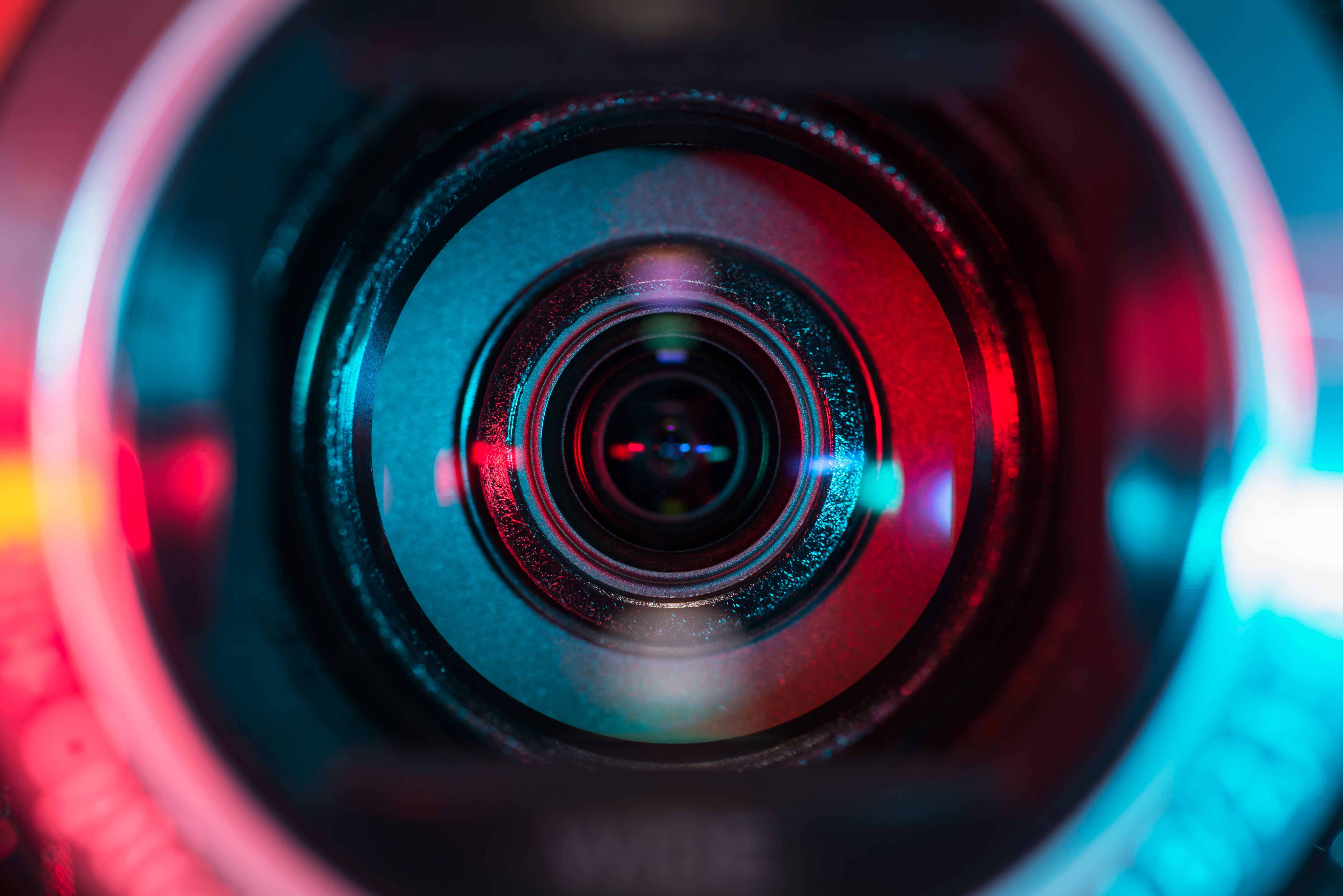
The advent of digital technology has dramatically transformed the filmmaking industry. Gone are the days when filmmakers relied solely on traditional film reels. Digital cameras and editing software have revolutionized the way movies are made, allowing for greater flexibility and creativity in production.
With digital technology, filmmakers can shoot multiple takes without worrying about the cost of film, enabling more experimentation and innovation. Additionally, digital editing allows for seamless integration of special effects and CGI, making even the most ambitious visions come to life on screen.
Streaming Platforms and Accessibility
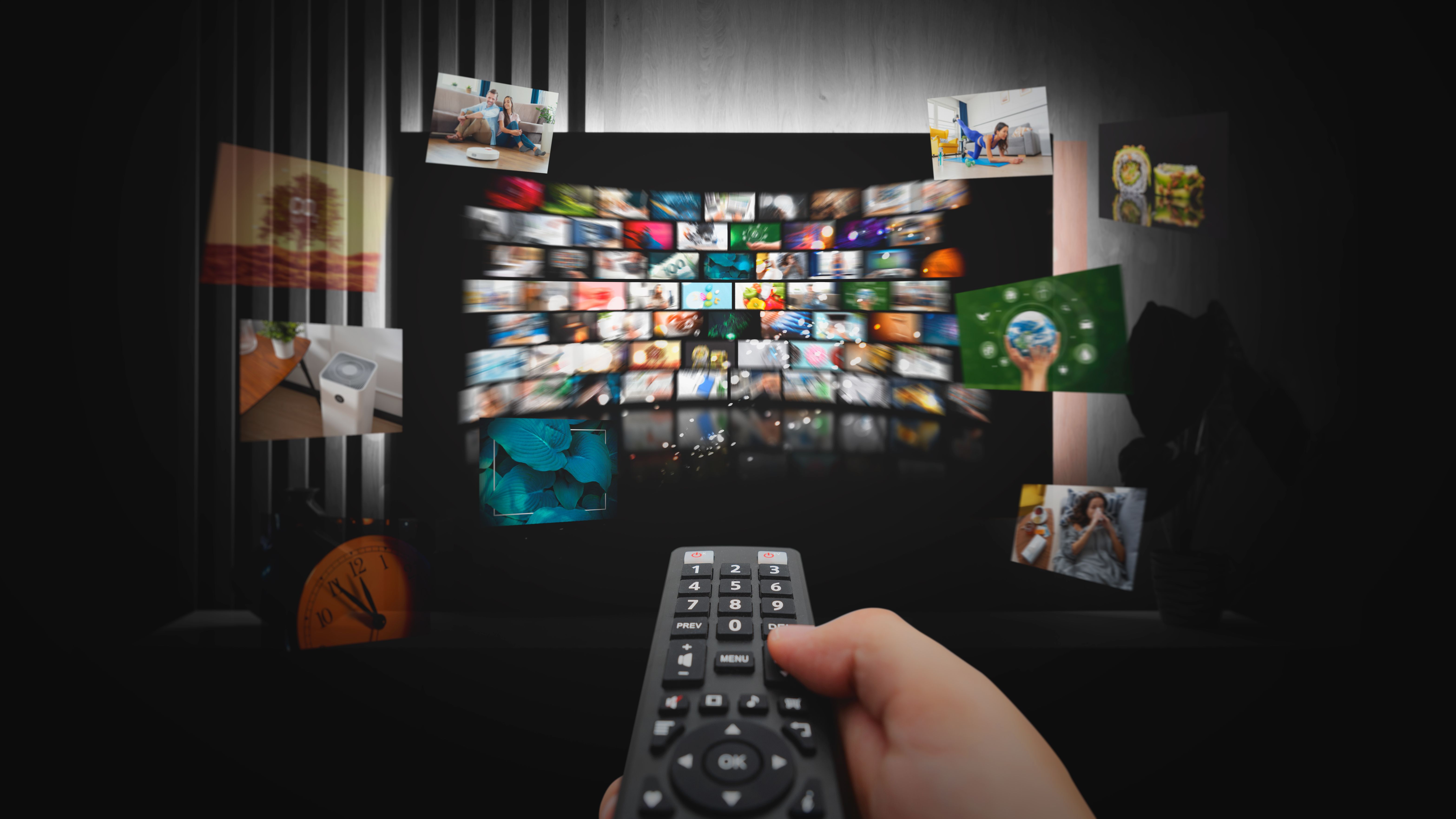
The rise of streaming platforms has reshaped the distribution model for films. Services like Netflix, Amazon Prime, and Disney+ have made it easier for audiences to access a vast array of films from the comfort of their homes. This shift has also opened up opportunities for independent filmmakers to showcase their work to a global audience.
Streaming platforms have not only democratized access to films but have also changed the way content is consumed. Binge-watching and on-demand viewing have become the norm, influencing the way stories are told and the types of films being produced.
Virtual Reality and Immersive Experiences
Virtual reality (VR) is another trend that is beginning to impact the filmmaking industry. VR offers audiences an immersive experience, allowing them to feel like they are part of the story. This technology presents new storytelling opportunities, as filmmakers explore ways to engage viewers in a 360-degree environment.
While VR is still in its early stages within mainstream filmmaking, its potential is vast. As technology advances, we can expect to see more films incorporating VR elements, providing audiences with unique and interactive viewing experiences.

Diversity and Representation
In recent years, there has been a significant push for diversity and representation in the film industry. Audiences are increasingly demanding stories that reflect a broader range of experiences and perspectives. This trend has led to more films featuring diverse casts, directors, and production teams.
The movement towards inclusivity is not just a social imperative but also a business strategy. Films that embrace diversity often perform better at the box office, appealing to a wider audience base. This shift is encouraging studios to invest in stories that highlight underrepresented voices.

Sustainable Filmmaking Practices
As environmental concerns grow, the film industry is taking steps towards sustainability. Filmmakers are becoming more conscious of their carbon footprint and are adopting eco-friendly practices in production. From using renewable energy on set to minimizing waste, sustainable filmmaking is becoming an important trend.
Organizations and initiatives are emerging to support green practices in the industry, encouraging filmmakers to consider the environmental impact of their work. This movement is not only beneficial for the planet but also fosters innovation in production techniques.